10 August 2026 · Emma Thompson
How Top Professionals Are Using Health Education to Thrive
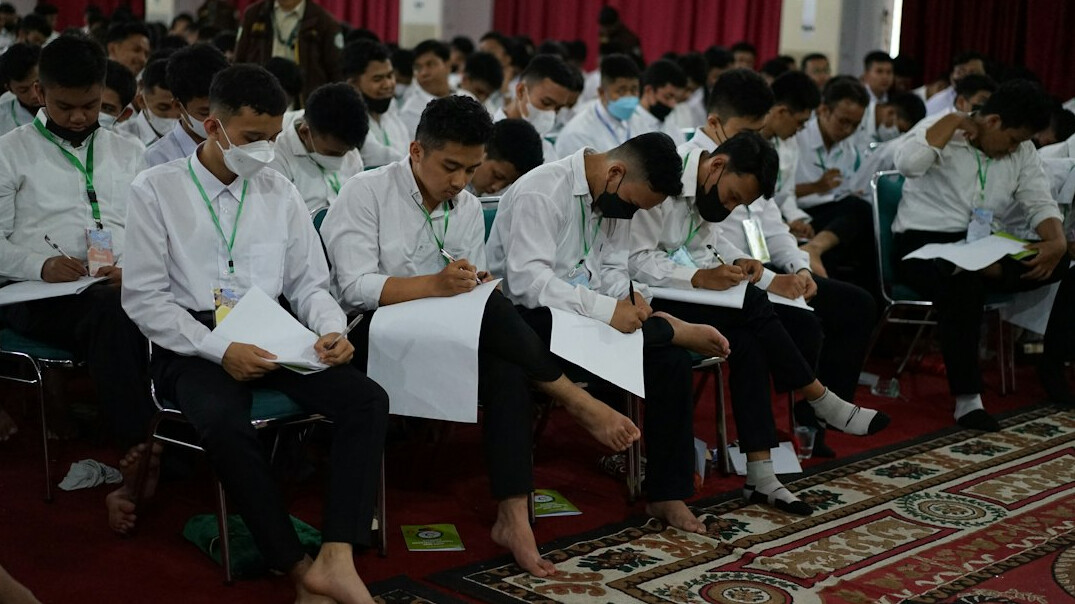
In today's fast-paced world, top professionals across industries are turning to structured health education to maintain peak performance and overall well-being. Rather than viewing health as a separate pursuit, they integrate it seamlessly into their careers, recognizing that knowledge about nutrition, mental resilience, and physical vitality directly impacts productivity and longevity.
Building Resilience Through Targeted Learning
Many executives and entrepreneurs enroll in specialized courses that cover stress management techniques and evidence-based wellness strategies. These programs provide practical tools, such as mindfulness practices and sleep optimization methods, which help them navigate high-pressure environments without burnout. One finance leader shared how completing a health education module transformed his approach to daily routines, leading to better decision-making and sustained energy levels throughout demanding workweeks.
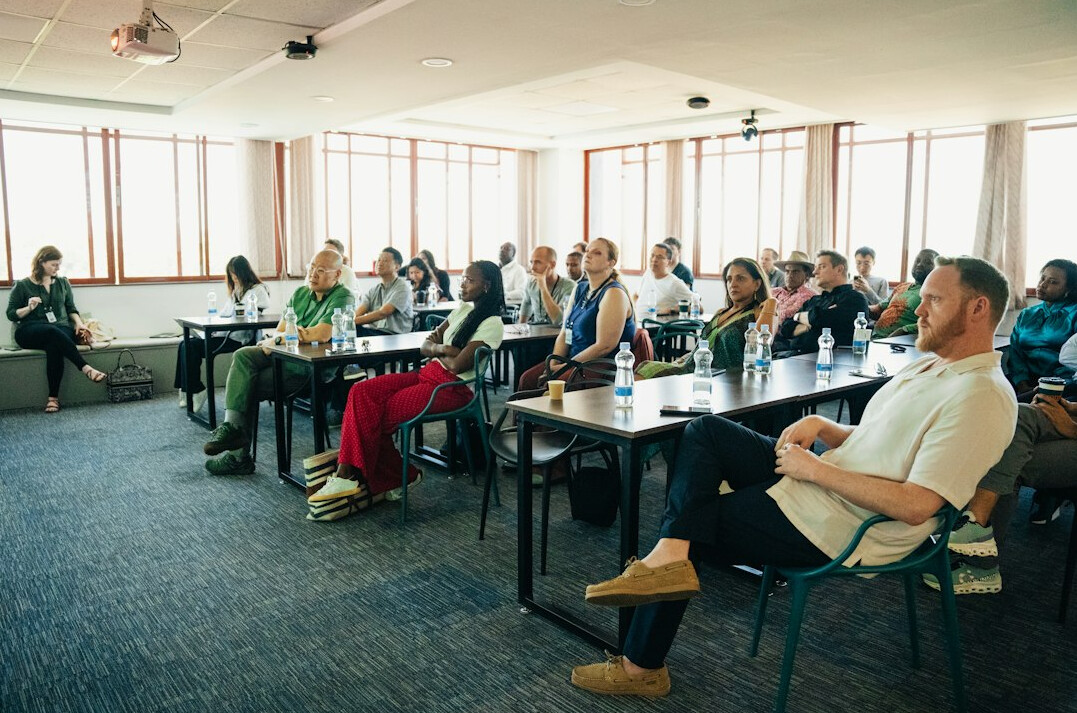
Health education also emphasizes preventive care, teaching participants how to identify early signs of fatigue or imbalance. Professionals in tech and creative fields often cite these insights as key to avoiding common pitfalls like chronic stress or poor posture from prolonged desk time.
Enhancing Career Longevity with Practical Knowledge
Beyond immediate benefits, health education equips individuals with lifelong skills. For instance, lawyers and consultants frequently apply nutritional science learned in courses to fuel intense periods of focus. This results in clearer thinking and fewer health-related absences from work. Lists of recommended habits often include balanced meal planning, regular movement breaks, and hydration tracking, all grounded in scientific principles taught during these programs.
Health education has become my secret weapon for staying competitive and fulfilled, even in my fifties.
Women in leadership roles particularly value modules on hormonal health and work-life integration, which help them thrive amid multiple responsibilities. The structured format of online or in-person courses allows flexible learning that fits around busy schedules.

Real-World Applications in Diverse Fields
- Healthcare providers using advanced wellness training to improve patient outcomes and personal stamina.
- Marketing experts applying behavioral insights from health courses to create more empathetic campaigns.
- Engineers incorporating ergonomic and recovery techniques to extend their innovative output over decades.
These examples illustrate how health education transcends basic fitness advice, offering tailored knowledge that aligns with professional demands. Participants often form networks through these courses, exchanging experiences that further enrich their understanding.
Measuring Success Beyond the Bottom Line
Success metrics for these professionals now include improved biomarkers and mental clarity scores alongside revenue targets. Health education fosters a holistic view, encouraging regular self-assessment and adjustments. Over time, this leads to greater job satisfaction and reduced turnover in high-stakes roles.
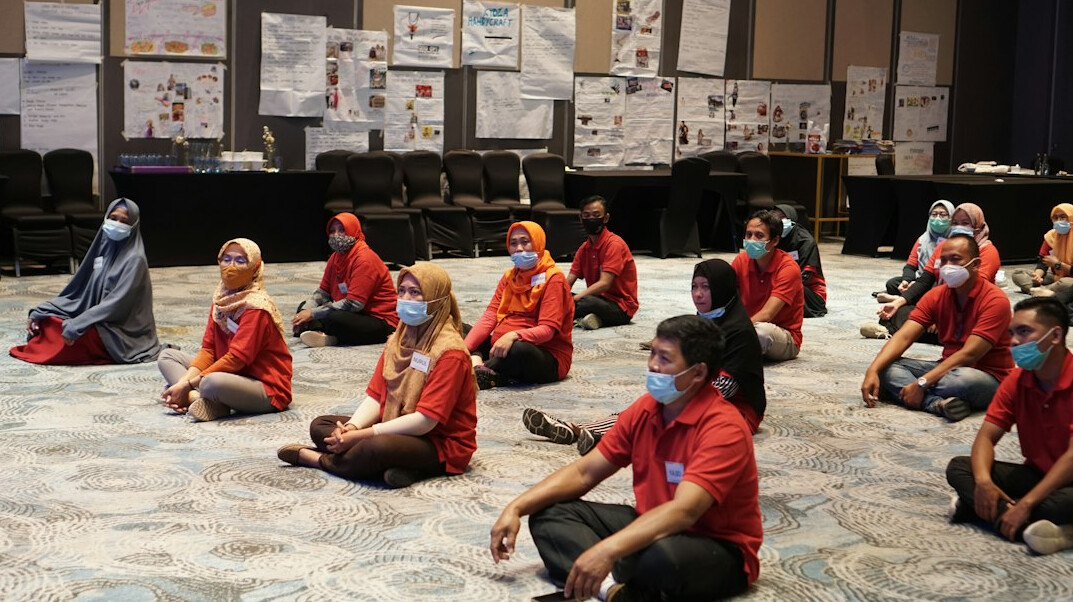
Ultimately, the shift toward proactive health learning represents a smart investment. Top performers understand that thriving requires ongoing education, not just occasional efforts. By prioritizing these resources, they set themselves up for enduring achievements and personal fulfillment.